

Day 3 - Integration
An invitation to carry forward.

Expanding Our Capacity for Collective Care
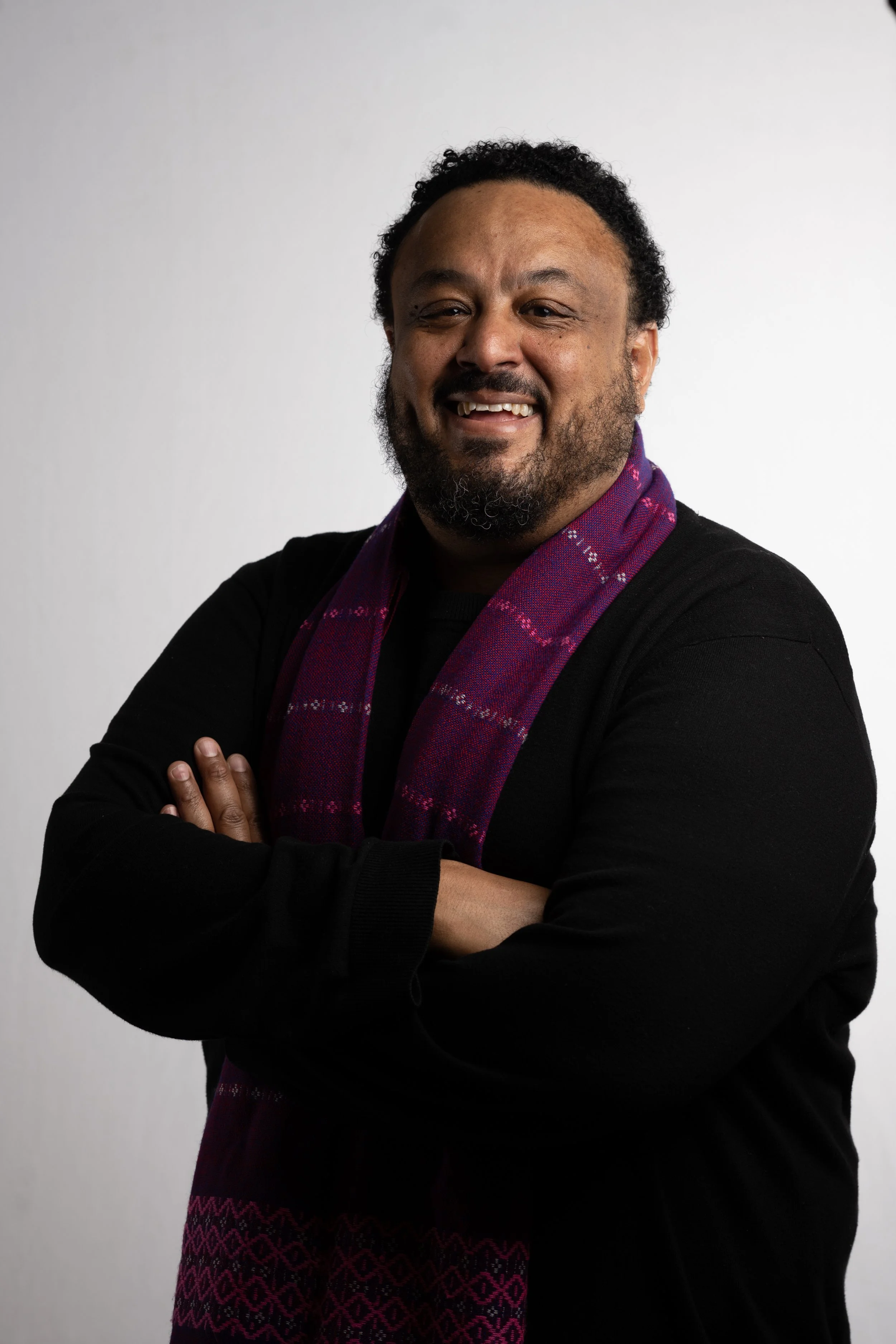
Amaha Kassa
Founder & Executive Director
-
Amaha Kassa (he/him) is the Founder and Executive Director of African Communities Together. Amaha has 25 years of professional experience as a labor and community organizer, nonprofit director, and social entrepreneur. For nine years, Amaha directed East Bay Alliance for a Sustainable Economy, a workers’ rights nonprofit in Oakland, California, growing it from a startup to one of the leading organizations in its field. Prior to launching ACT, Amaha earned his law degree from the University of California, Berkeley and a Master’s in Public Policy from Harvard Kennedy School. He is an immigrant from Ethiopia.
“What's transformative for people is not rhetoric but experience. It is the experience of working together, in pursuit of common goals, that causes people to draw their circle of concern, their circle of kinship differently.”
In this Session:
Stories: Relationships among communities are often described through conflict, whether between ethnic groups on the African continent or between Black immigrants and multigenerational African Americans. Yet proximity also brings trade, cooperation, and intermarriage. Stories centered on competition and scarcity can leave these other dimensions of community life less visible.
Belonging: Who am I? Who are my people? How do we shape the world? Belonging emerges through our answers to these questions of identity, community, and agency. We can hold many identities at once, and which ones come forward depends on the context.
Collective care: Material, psychological, and spiritual care are part of a mutual exchange in which giving care can also heal the caregiver. Cultural traditions can reinforce our desire to care for others, while everyday acts of community care remind us that we may be the ones offering support, receiving it, or both.
The Art of Companionship: Healing in Relationship
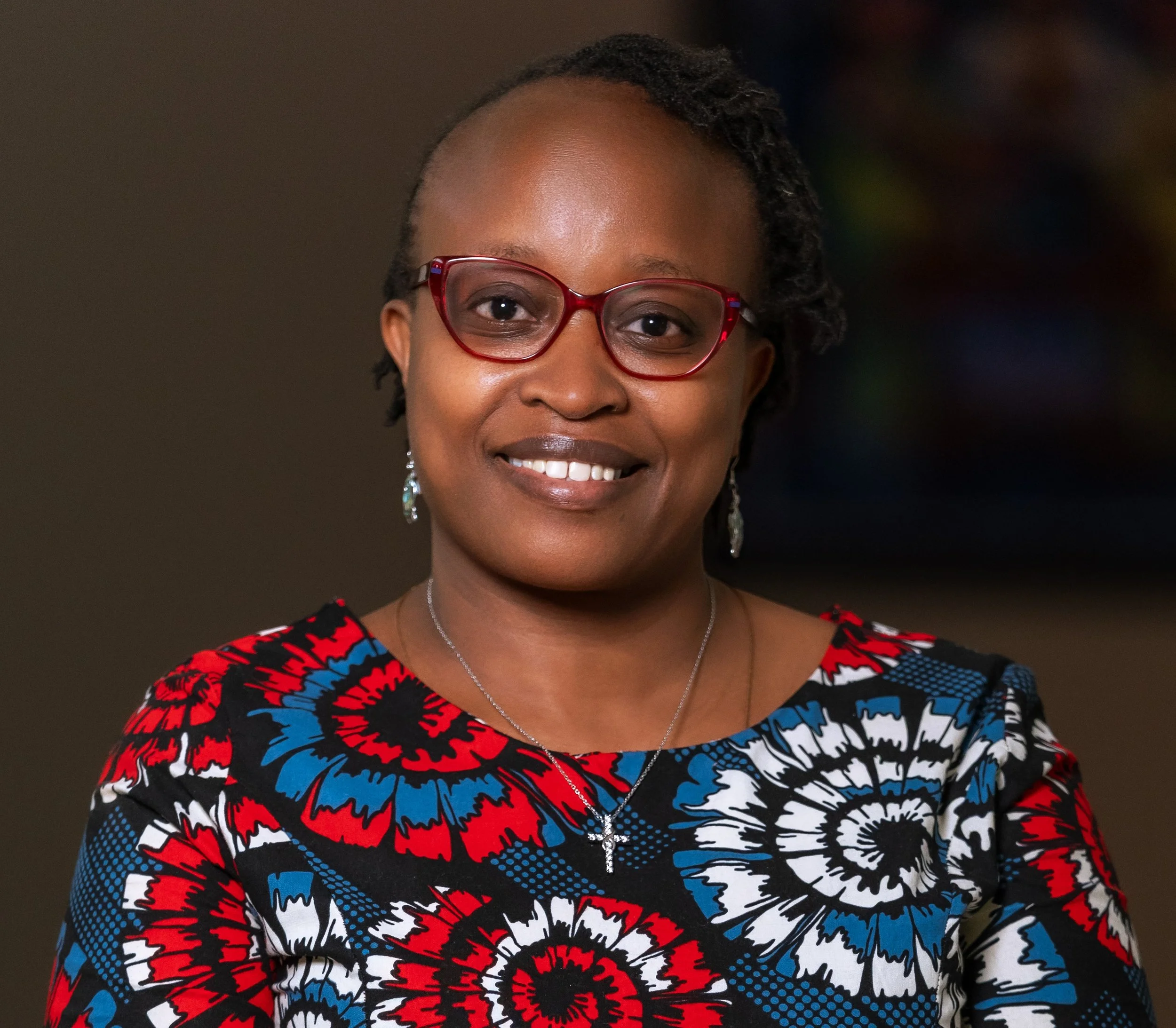
Wanjîkū J. Kîarîe
Integrated Living Companion
-
Wanjîkū (she/her) is a Hearth Tender, a Fire Keeper, and a Circle Leader whose mission is calling people into REMEMBERING and then guiding them into being and doing out of that REMEMBRANCE.
Wanjîkū is an Integrated Wellbeing Practitioner. She is the Founder and Lead Consultant at Integrated Living. She has over 17 years of experience companioning individual, family, group, and organisational clients across the globe.
“This work asks that you come to it consciously, continuously, and consistently.”
In this Session:
Companionship: Healing does not have to be solitary. Wanjîkū describes companionship as being seen, heard, guided, taught, held, and accompanied through different phases of life without requiring someone to already know how to move through them alone.
Wholeness: Trauma and colonialism can fragment our relationship with ourselves, our people, our language, culture, and sources of belonging. Healing in relationship can help bring what has been separated back into connection while making room for the complexity of what we inherit, including harm, gifts, lessons, resources, and resilience.
Responsibility: Being accompanied does not remove our responsibility to participate in our own healing. We also question what we have inherited, do the uncomfortable inner work, continue to learn, ask for help, and show up to the process without requiring perfection.
The Nervous System of Leadership:
What We Transmit to One Another
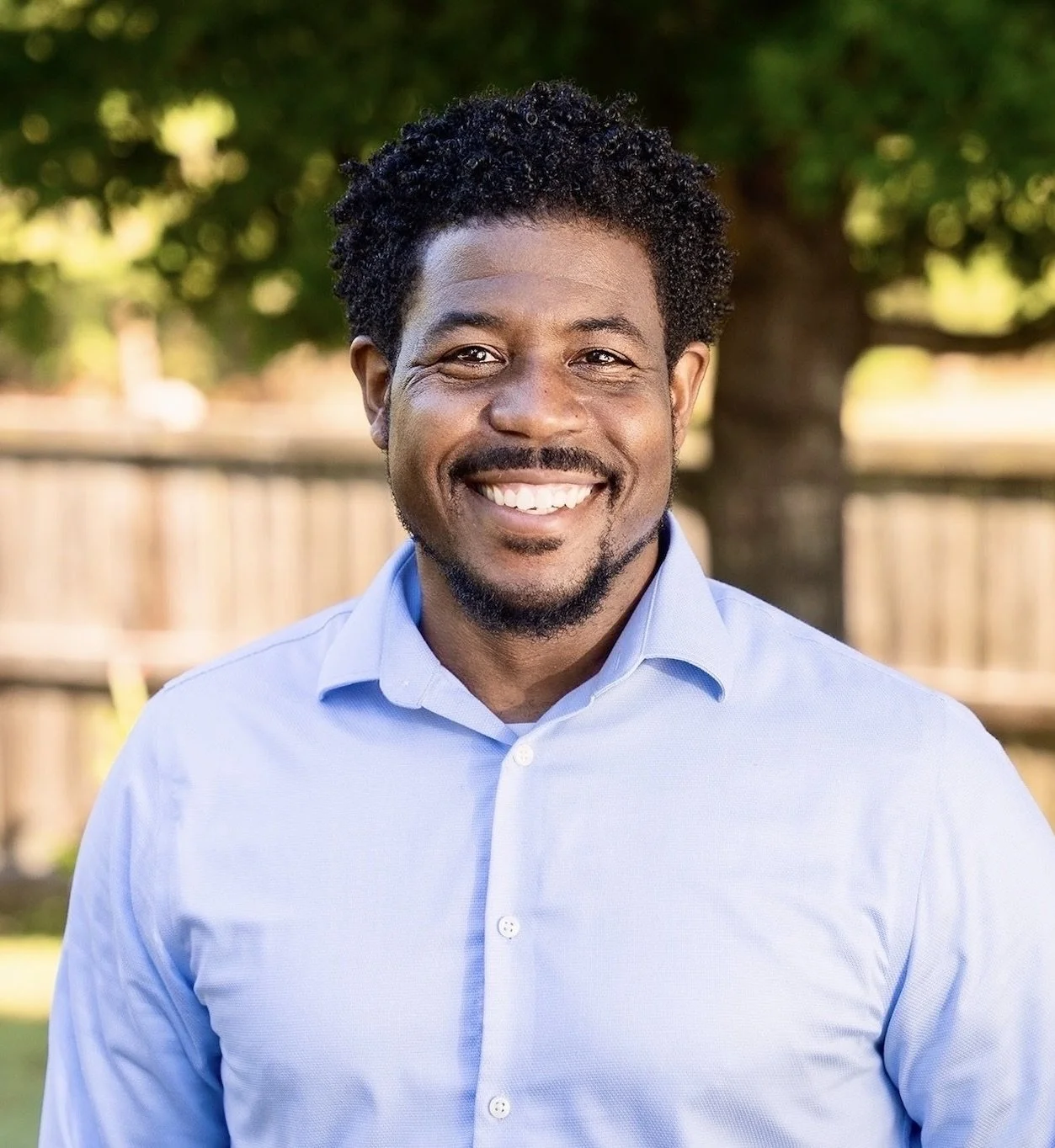
Nasir Bayan
Founder, Nervous System Leadership Institute
-
Nasir Bayan, LPC (he/him) is the founder of the Nervous System Leadership Institute and a longtime practitioner at the intersection of nervous system regulation, leadership, presence, and human performance. His work explores how physiology shapes the way we lead, relate, respond under pressure, and experience one another. Grounded in clinical practice, embodied awareness, and lived experience, Nasir is particularly interested in how regulation, co-regulation, capacity, trust, and repair can support Black people and communities in moving beyond survival toward greater wholeness, freedom, and connection.
“Our internal state is always broadcasting, and folks are sensing it even before we speak.”
In this Session:
Transmission: Leadership is communicated through more than words or intention. Our internal state can be felt through our pace, tone, presence, responses, and decisions, shaping how other people experience us and the spaces we lead.
Access: Pressure does not erase our gifts, wisdom, or capacities, but it can affect how reliably we can access them when they are most needed. Learning to notice and work with our nervous system can help us return to what is already ours.
Embodiment: Inner work can become something others feel in our presence. Nasir invites leaders to tell the truth about their internal state, work with rather than override the body, and cultivate a grounded presence that can support others in remembering themselves.
The Future Has to Be Funded

Floyd Jones
Speaker & Founder, BackBlack
-
Floyd Jones (he/him) is the Founder of BackBlack, an initiative that has directed over $13M to more than 1,000 Black-led nonprofits. He also leads Floyd Jones Enterprises, where he helps changemakers grow their impact through community-led strategies.
An internationally recognized speaker and community builder, Floyd has raised over $50M for grassroots organizations and is passionate about turning engagement into long-term support. His work has been featured by ESPN, LinkedIn, Blavity, and The Anthem Awards, and sponsored by brands including NIKE, Whole Foods, VISA, and NBA2K.
As Global Chair of Black Philanthropy Month, Floyd is committed to uplifting changemakers and advancing equity in the philanthropic space.
“The future that my people have is big. And the future’s gotta be funded.”
In this Session:
Resourcing: Black people and Black-led organizations need more than encouragement. Vision, care, organizing, and possibility also require real material resources, including money, capacity, and sustainable support.
Belief: The size of what we currently have does not have to determine the size of what we imagine or ask for. We can hold expansive visions while still working responsibly with the capacity and resources already available.
Collective giving: Philanthropy is not foreign to Black communities. Giving lives in family, lineage, mutual care, and the long history of Black people resourcing one another through money, time, care, relationships, and ourselves.