

Day 2 - Exhale
An invitation to deepen.
Accessing the Wisdom of the Body Through Breath
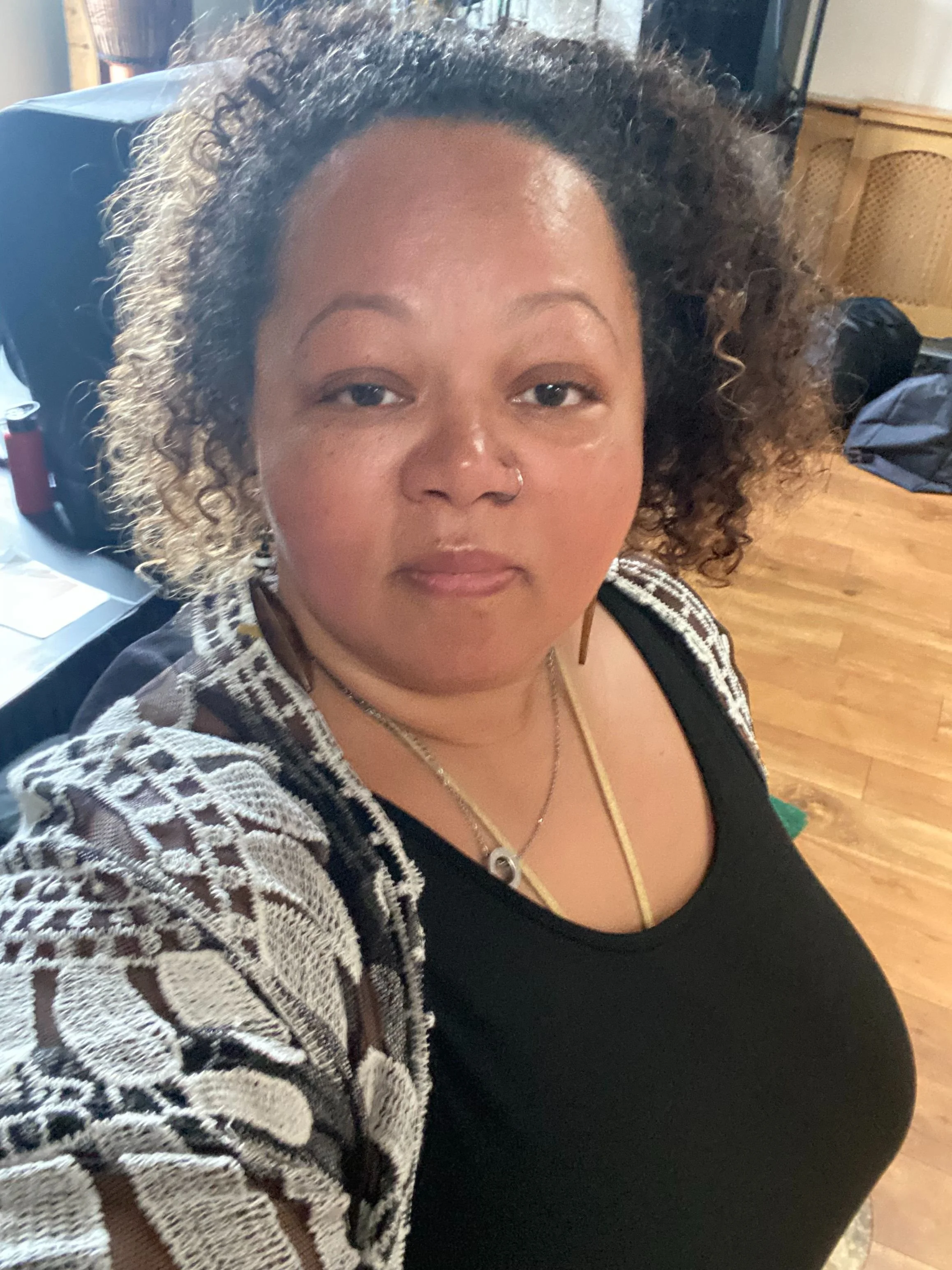
Amanda Davis
Collective Wellbeing & Anti-Oppressive Practice Consultant
-
Amanda Davis (she/her/they) is a woman of scattered roots, a Registered Mental Health Nurse, and a Breathwork Facilitator & Trainer. Her work sits at the intersection of the loss of innocence, the body, systemic oppression, anti-racism, and our capacity to reconnect with ourselves and one another.
Rooted in lived experience, clinical practice, ancestral wisdom, and social justice, Amanda creates spaces that look beyond individual experiences towards the conditions we live within, the patterns we inherit, and how these shape our relationships, communities, and capacity to care.
Through breathwork, emotional ecology, anti-racism work, and her work alongside boys and men, she explores how we can interrupt inherited patterns of harm, deepen emotional literacy, and create different possibilities for connection, accountability, and collective wellbeing.
Amanda believes we cannot separate our healing from the world around us. She invites us to resource ourselves, reclaim our bodies, and take responsibility for the spaces between us, recognising that personal healing and collective change must sit alongside one another.
“Our body is this vessel of tools that we’ve forgotten.”
In this Session:
Breath: An automatic function can become an intentional resource. Working consciously with the breath can help us slow reaction, notice what is happening within us, and return to the body with greater presence before responding.
Listening: Breath, sensation, emotion, tension, and even sighing can carry information. Learning the body’s language can help us recognize when we are in survival, what we may need, and what our bodies are already communicating.
Gentleness: Accessing the body’s wisdom does not require pushing past capacity. Amanda offers an anti-oppressive approach rooted in rest, pacing, choice, and practices the nervous system can actually receive.
Coming Home to Ourselves: The Practice of Liberation
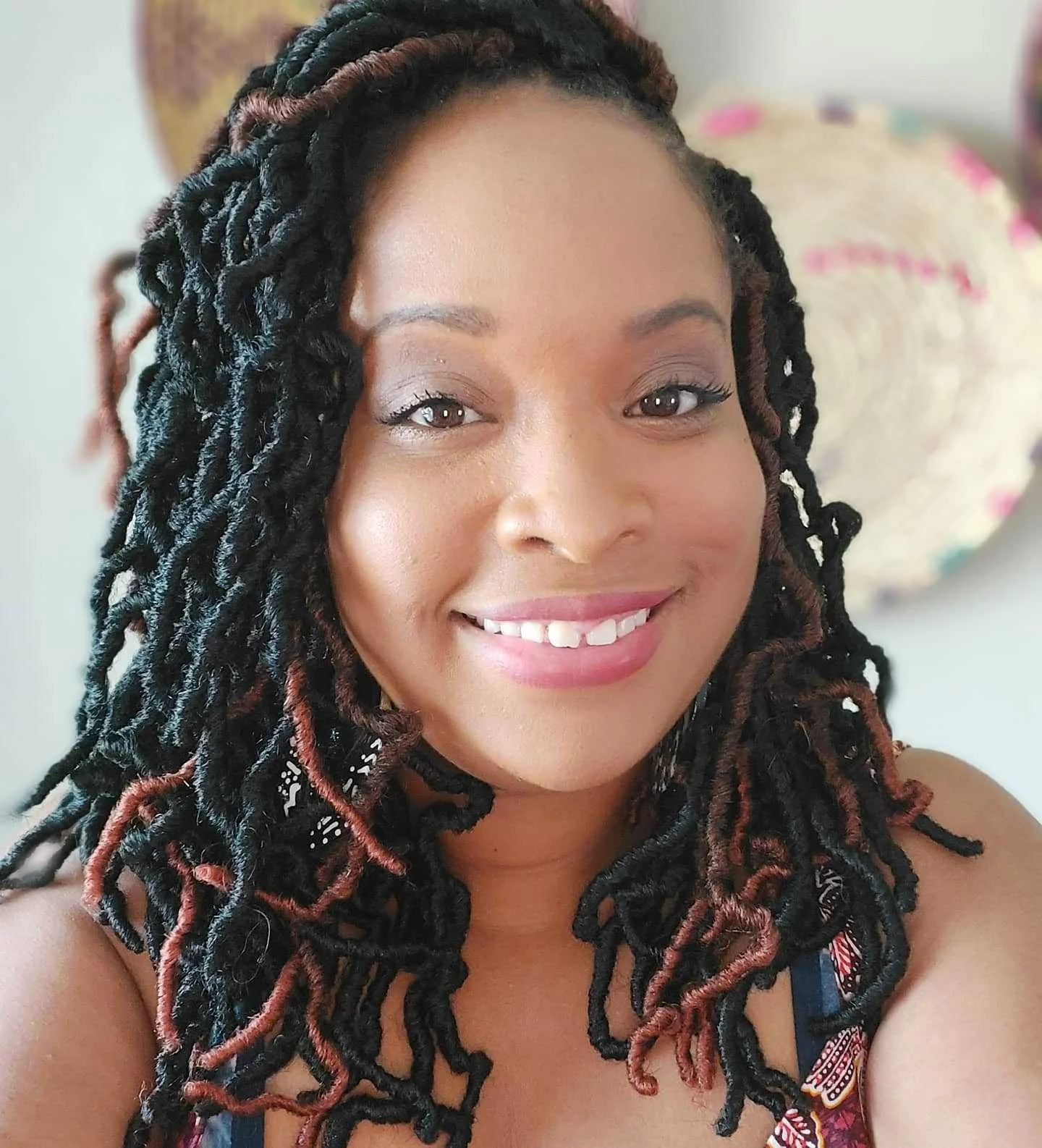
Yolanda Williams
Community Steward
-
Yolanda Williams (she/her) is a writer, parent educator, speaker, and founder of Parenting Decolonized. Now 45+, she’s widening the lens through Decolonizing Myself, documenting what it looks like to spend the second half of her life coming home to herself. From navigating motherhood and perimenopause to growing food, tending 3.19 acres, and building community, Yolanda explores what happens when we question the rules we inherited about success, productivity, independence, rest, and what a good life should look like. She brings years of systems thinking and parenting expertise to an experiment she’s living in real time: building a life rooted in her values without losing herself in the process. She’s learning, unlearning, growing, and figuring it out as she goes.
“I realized it wasn’t just about my daughter. It was really about me coming home to me and being comfortable in my own skin.”
In this Session:
Inheritance: Understanding why a pattern developed can help us hold its history without excusing its harm. Looking beneath behavior creates space to decide consciously what we want to continue and what we want to change.
Truth: Survival can leave us living inside stories that no longer match the present. Asking “What is actually true?” can help us distinguish old assumptions from current reality and recognize support, choices, and possibilities we may not have been able to see.
Coming home: Liberation is not a finished state. It can look like slowing down enough to know ourselves, accepting who we are in the present, questioning what keeps us overworking or abandoning ourselves, and continuing to return to our own lives.
Collective Liberation Begins With Honoring Our Grief
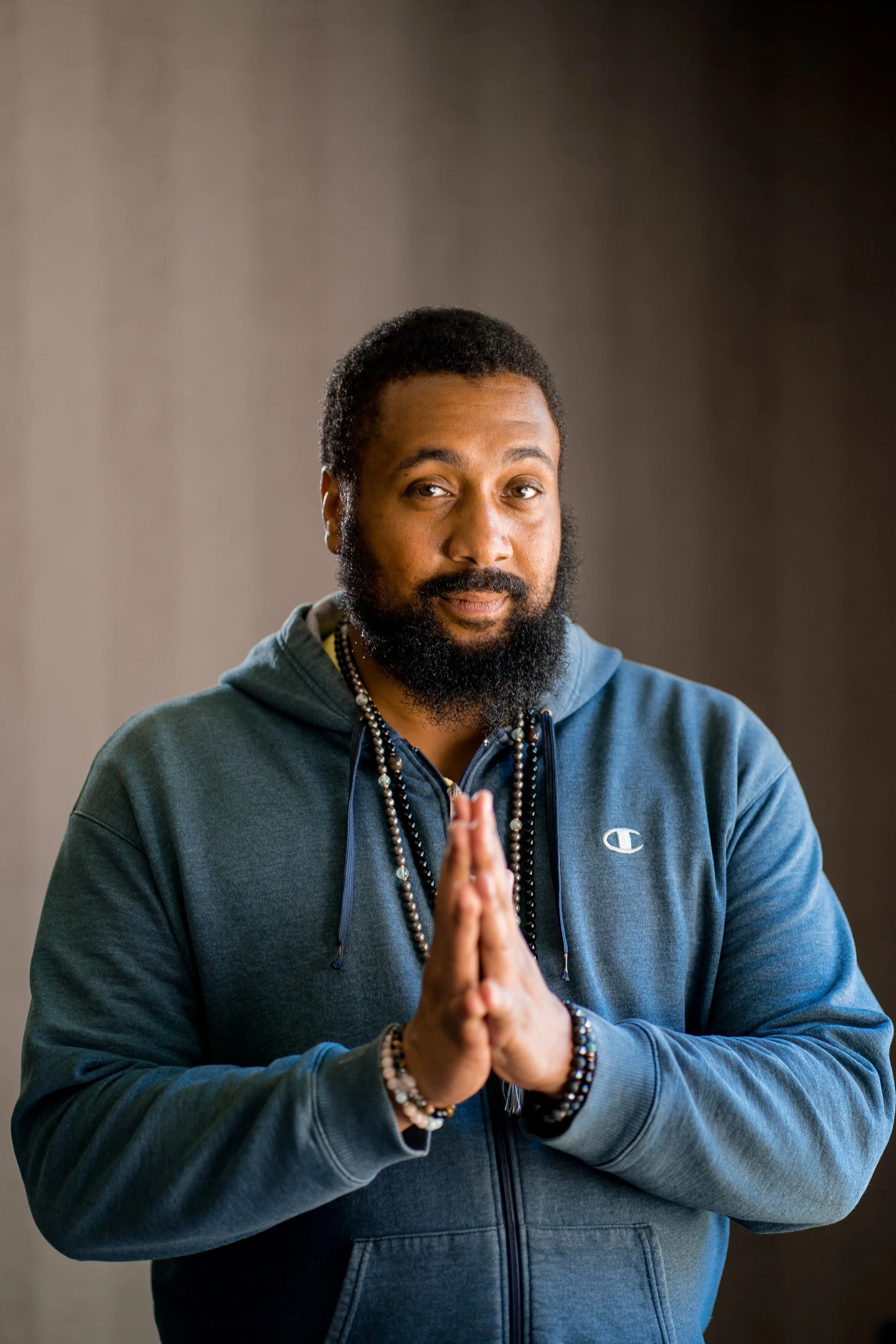
Reggie Hubbard
Chief Serving Officer
-
Reggie Hubbard (he/him) is the founder/Chief Serving Officer of Active Peace LLC. He has done many things, but is most proud of being a caring human, stroke survivor, teacher/wisdom steward, strategist, organizer, spiritual advisor, sonic savant and devoted seeker of truth, compassion, health, well-being and justice for all. Through Active Peace, he teaches all walks of life ways to cultivate well-being as a foundation rather than an afterthought, through wisdom, movement, meditation, and sound. He offers a unique perspective rooted in authentic sharing of his lived experiences in politics, education, spiritual practice and navigating the complexities one faces as a black man in the United States.
Reggie firmly believes in the power of connection, conversation and community – and the wisdom that emerges therefrom. He holds many yoga and meditation certifications, a BA in philosophy from Yale and an MBA in international strategy from the Vlerick Business School in Leuven, Belgium.
“There’s no liberation with unprocessed grief.”
In this Session:
Acknowledgment: Grief does not have to be hidden, rushed, or treated as something we should already be over. Naming what we are grieving, writing it, speaking it, and allowing it to be noticed can begin to change our relationship with sorrow.
Fullness: Joy and sorrow do not cancel one another out. Learning to hold both can expand our capacity to meet life as it is, without requiring grief to disappear before love, laughter, desire, or possibility can also be present.
Liberation: Unprocessed grief can keep us stuck, individually and collectively. Creating conditions to tend personal, collective, and systemic grief can open more room for breath, movement, connection, and the possibility of choosing what comes next.
What Happens When a People Are Taught to Forget Who They Are?
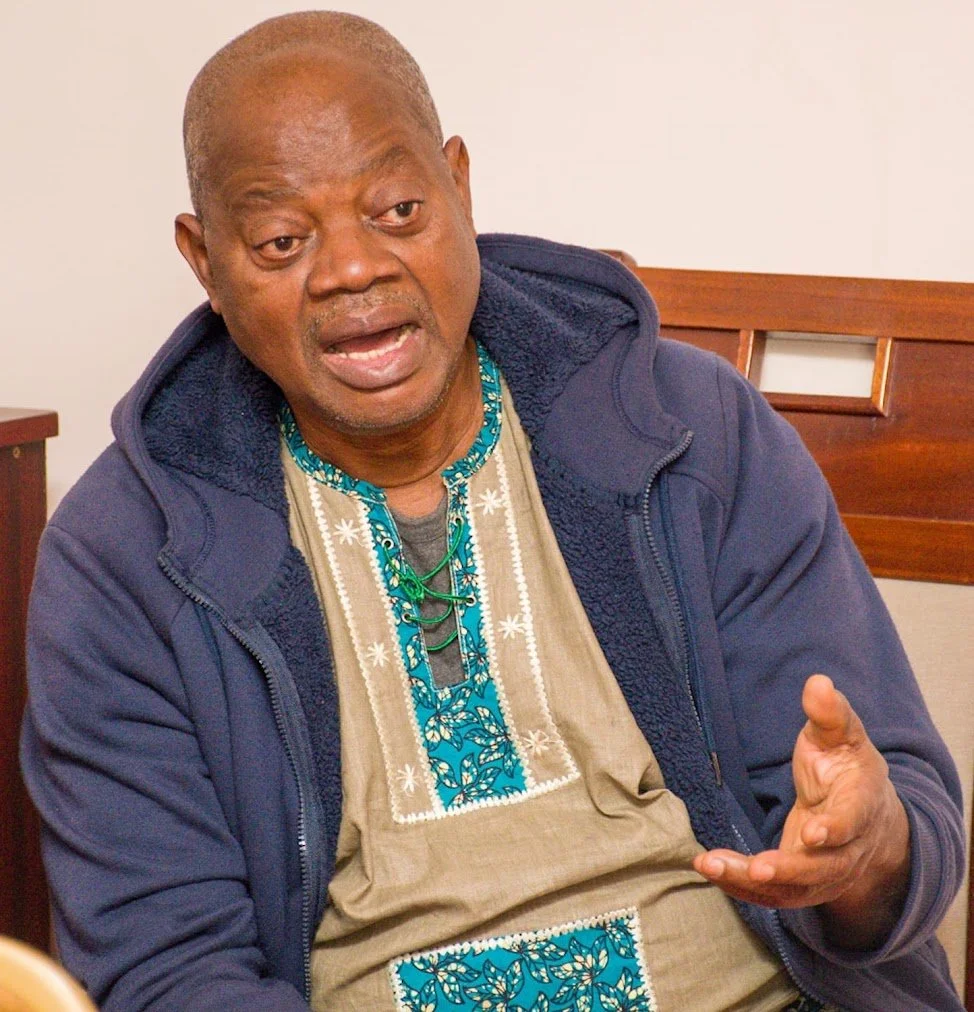
Dr. John Ayotunde Bewaji
Professor Emeritus of Philosophy, University of the West Indies, Jamaica
-
John Ayotunde Isola Bewaji, FNAL, (he/him) is Professor Emeritus of Philosophy at the University of the West Indies, Jamaica, and Director of the Federal University Lokoja International Centre of Excellence in Environmental Humanities.
He was a member of the CODESRIA College of PhD Mentors in Africa; Senior Research Associate at the University of the Free State, South Africa; Carnegie/CODESRIA Visiting Professor in Philosophy at the University of Ibadan and Obafemi Awolowo University, Nigeria; Visiting Research Fellow at Rhodes University; Jay Newman Endowed Visiting Professor of Philosophy of Culture at Brooklyn College, CUNY, USA; and Guggenheim Research Fellow in Philosophy of Culture (2010).
His other roles include Member of the Global Summit of Bioethics; Chairman of the National Bioethics Committee of Jamaica (NBCJ-UNESCO); founding Editor of the Caribbean Journal of Philosophy (CJP); and founding President of the International Society for African Philosophy and Studies (ISAPS), USA.
His publications include An Introduction to the Theory of Knowledge (2007), Narratives of Struggle (2012), Black Aesthetics (2013), The Rule of Law and Governance in Indigenous Yoruba Society (2016), Media Theory, Practice and Ethics (2017, with P. B. Adedara), Identity Recreation in Global African Encounters (2019), and Fragmented Identities of Nigeria (2021).
“Some of us must understand that we are being compelled to accept the narratives which are not the exact truth.”
In this Session:
Epistemicide: Colonization can disrupt more than land and political power. It can erase or discredit a people’s knowledge, histories, languages, philosophies, and ways of understanding themselves, until what has been lost begins to feel as though it never existed.
Narrative: What we are taught to recognize as knowledge is not neutral. Asking who produced a narrative, what it leaves out, and whose ways of knowing have been treated as legitimate can help us examine inherited ideas rather than simply accepting them as truth.
Restoration: Remembering is not only about recovering the past. Reclaiming, researching, documenting, and sharing African knowledge traditions can restore dignity, reconnect us with roots and responsibility, and make more of our intellectual inheritance available to those who come after us.
What We Heal, What We Inherit, What We Pass On
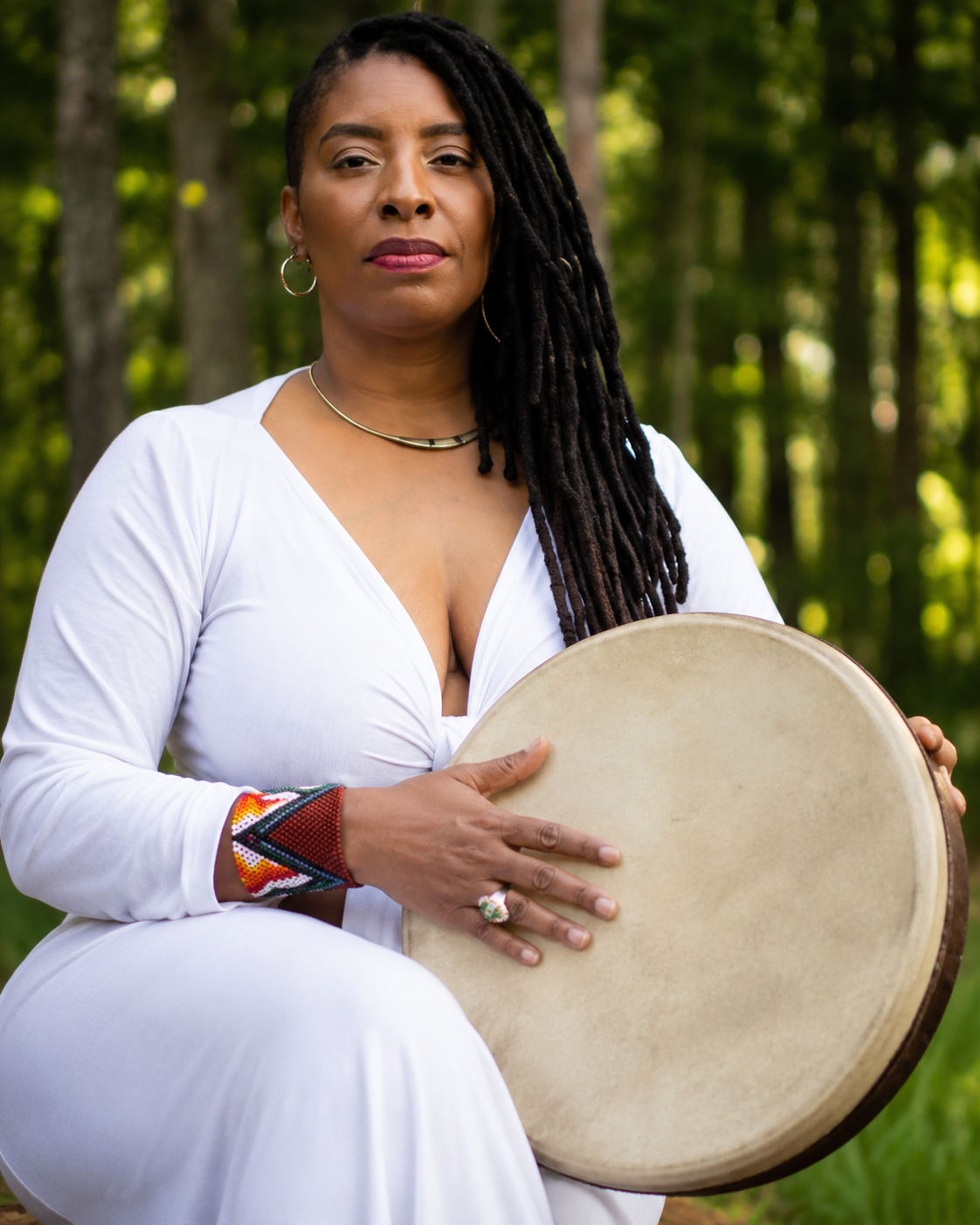
Mother Jaguar-Raneshuhu
Shaman & Medicine Woman
-
Mother Jaguar-Raneshuhu (she/her) is a Shaman, Xamá, Curandera, Medicine Woman, teacher, and guide devoted to soul liberation and the restoration of wholeness. Initiated into the Ayahuasca Yawanawa tradition by Pajé and Chieftess Waxy Yawanawa of the Brazilian Amazon, she has dedicated nearly two decades to sacred service, ancestral healing, ceremony, and consciousness work.
Her teachings weave Indigenous wisdom, ancestral reverence, Divine Feminine consciousness, and spiritual sovereignty. Through her work, Mother Jaguar supports others in reclaiming their truth, transforming pain into wisdom, and remembering the deeper nature of the soul.
She is the founder of Diaspora Ascending and Council of Mothers and co-founder of Healer Wealth Academy, where she trains and mentors emerging healing practitioners in sacred practice, ethical leadership, and conscious transformation.
“I want to be that pattern breaker.”
In this Session:
Healing: Some of the parts of ourselves we judge most harshly may have developed as ways of surviving fear, danger, or instability. Mother Jaguar invites us to meet those patterns with enough honesty and compassion to understand what they have been protecting.
Inheritance: Trauma, fear, shame, and survival responses can travel through families and communities, shaping how we relate long after the original conditions have changed. Becoming conscious of what we have inherited creates an opportunity to distinguish what still serves life.
What we pass on: We are not required to hand every inherited pattern to the generations that follow us. Interrupting what harmed us can become an act of love toward people we may never meet.